|
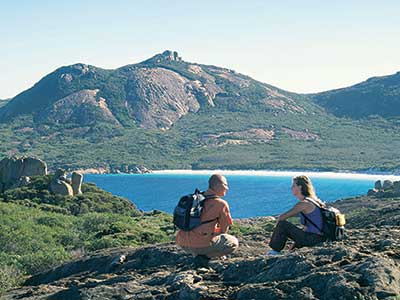
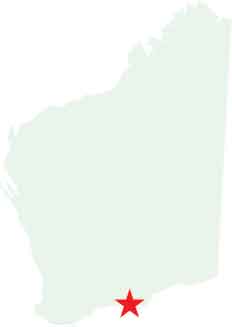
CAPE ARID NATIONAL PARK
125km east of Esperance, Cape Arid is an exceptionally scenic park and an important habitat for the conservation of birds, having more than 160 species, including some that are threatened. Making use of the available walking trails is the best way to spot birds, migrating whales and to enjoy spring wildflowers. |
 |
 |
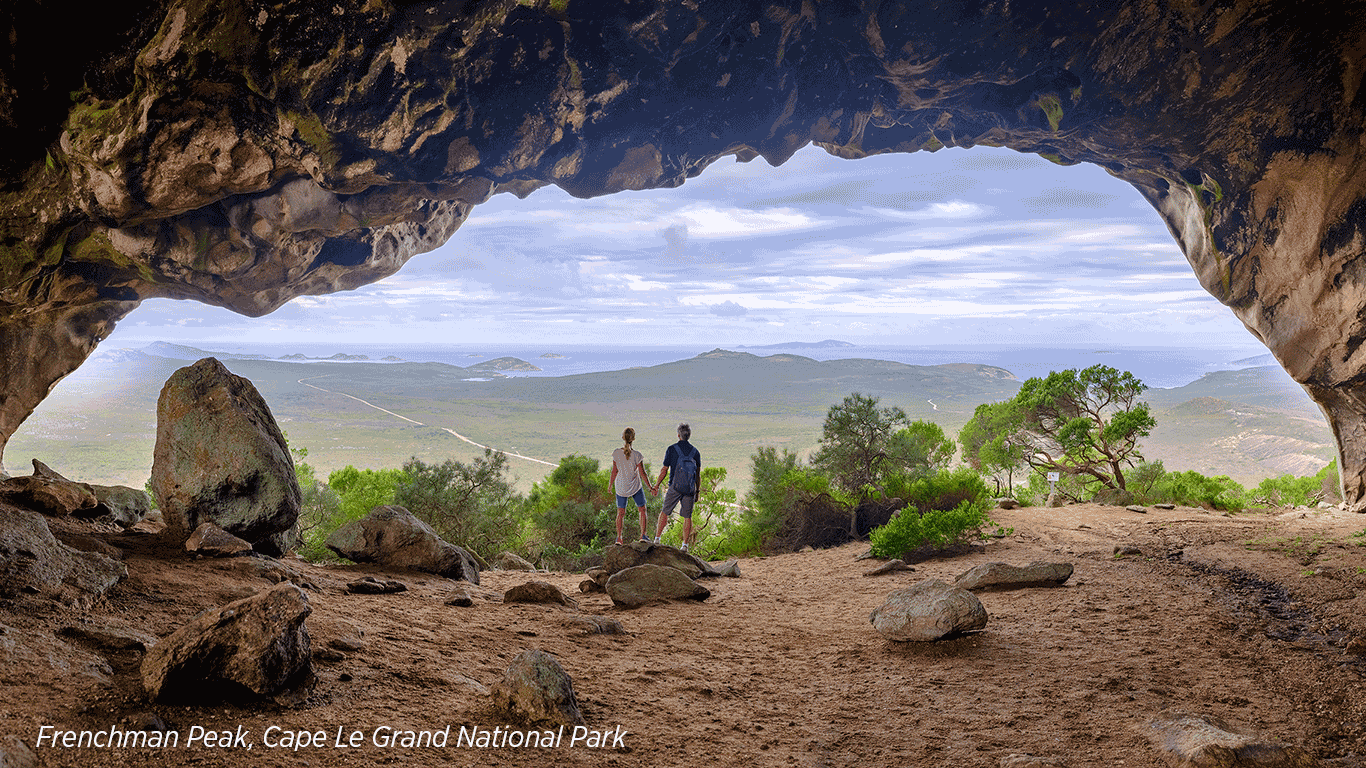
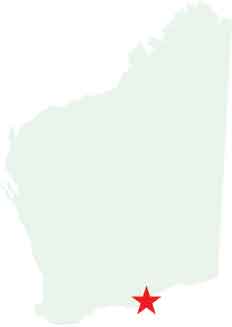
CAPE LE GRANDE NATIONAL PARK
55km east of Esperance, sandplains, swamps and freshwater pools support a variety of flora and fauna. Massive granite outcrops form an impressive chain of peaks. Facilities include walking trails and camping grounds to make the most of wild coastal scenery, miles of sandy white beaches, rugged granite peaks, abundant wildlife and spectacular spring wildflowers. |
 |
 |
CAPE RANGE NATIONAL PARK
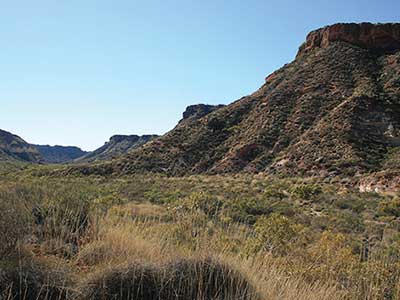
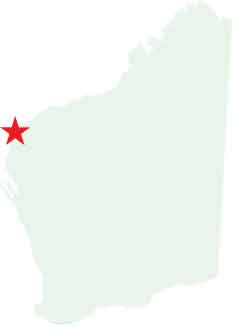
Cape Range National Park extends along the western side of the North West Cape and boasts spectacular rocky gorges and canyons. It has a beautiful Indian Ocean coastline adjacent to Ningaloo Marine Park. |
 |
 |
D'ENTRECASTEAUX NATIONAL PARK
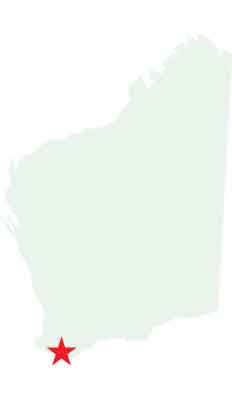
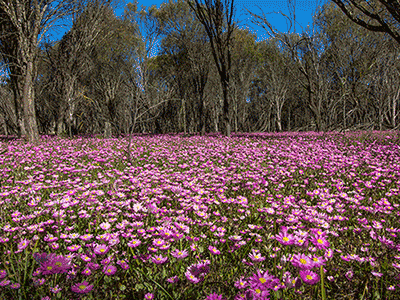
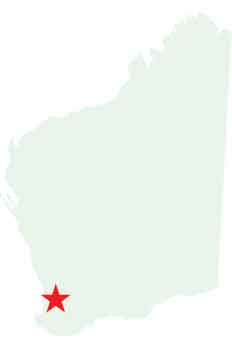
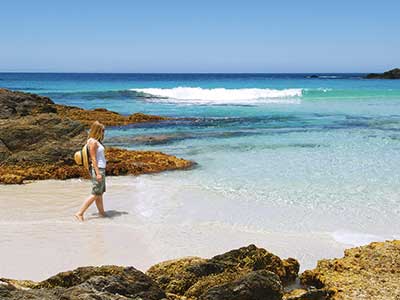
Sheer cliffs, basalt columns, pristine beaches, salt water lakes, blossoming wildflowers and the largest land-locked mobile sand dune system in the southern hemisphere are just some sights to expect in this park which stretches along the south coast. Archaeological evidence of occupation by Indigenous Australians has been revealed dating back at least 6,000 years |
 |
 |
DRYANDRA WOODLAND NATIONAL PARK
Dryandra Woodland is an important nature conservation area with a number of species calling it home. Numbats, woylies, tammar wallabies, brushtail possums, tawny frogmouths, kangaroos and wallabies are regularly seen here. There are walking trails and a self-drive trail with interpretive information bays. |
 |
 |
FITZGERALD RIVER NATIONAL PARK
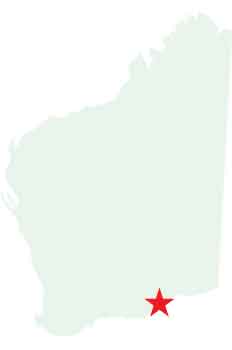
One of the largest and most botanically significant parks in Australia, it is home to nearly 20 percent of WA’s flora species, many of which only occur within the park. On the south coast, this park offers spectacular bushwalking, camping, fishing, canoeing, swimming and surfing. Migrating whales can be seen offshore in spring. |
 |
 |
GEIKIE GORGE NATIONAL PARK
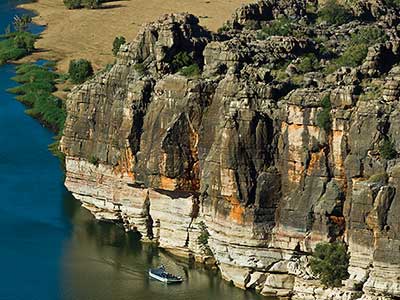
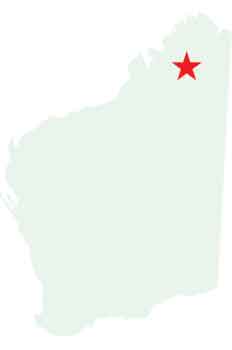
Geikie Gorge has been carved out of the Fitzroy River's natural watercourse over thousands of years in the north west of the state. During dry months, the river is a quiet stream that winds its way through the gorge’s towering cliffs. In the wet season, the waters rise more than 16 metres to scour the limestone walls and flood the surrounding area. |
 |
 |
JOHN FORREST NATIONAL PARK
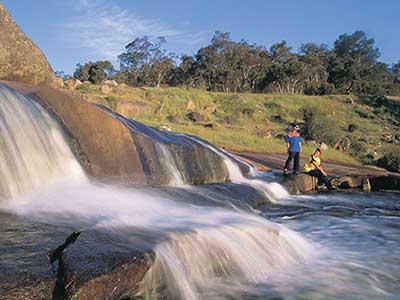
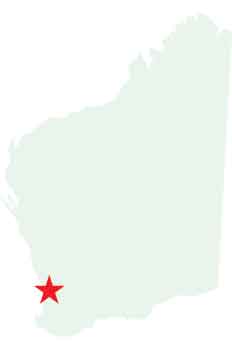
Just 26km east of Perth is Western Australia’s oldest national park. Here you can get close to the wilderness even without leaving the city. There are scenic drives, walk trails and picnic facilities making it an ideal day trip destination from the city. |
 |
 |
JURIEN BAY MARINE PARK
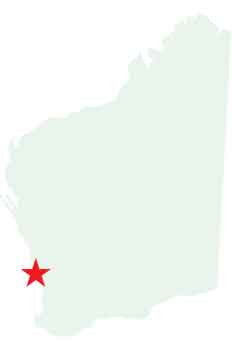
Dive or snorkel the extensive limestone reef system of the Jurien Bay Marine Park to see Australian sea lions, rock lobster and sea birds, all just 200km north of Perth. |
 |
 |
KALBARRI NATIONAL PARK
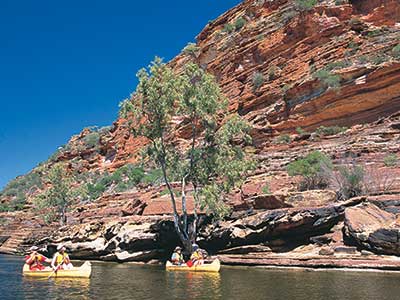
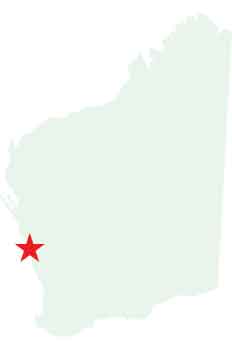
600km north of Perth, this park has more than 2,000 species of wildflower that are native to the region. You can wander through fields of riotous colour as everlasting daisies, banksias and kangaroo paws bloom in spring and early summer. Walk trails take you through scenic gorges to spectacular lookouts and soaring coastal cliffs. |
 |
 |
KARIJINI NATIONAL PARK
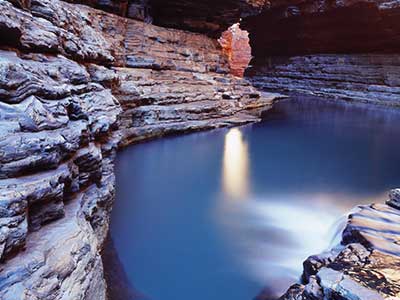
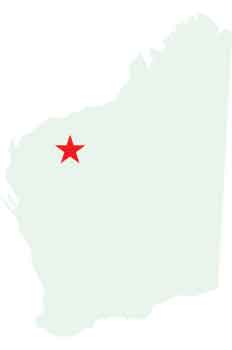
Karijini National Park, between the towns of Tom Price and Newman, is steeped in Indigenous culture with waterfalls, gorges, subterranean waterways and spectacular scenery more than 2 billion years in the making. While you’re there take a dip at one of the magnificent waterfalls or crystal clear rock pools. |
 |
 |
KENNEDY RANGE NATIONAL PARK
Scenic gorges and a vast plateau of ancient dunefields are waiting to be explored. Enjoy a real outback wilderness experience and camp beneath the stark sandstone cliffs of the Kennedy Range. The best time to visit the range is August through to September, when the wildflowers are in full bloom. |
 |
 |
KINGS PARK AND BOTANICAL GARDENS
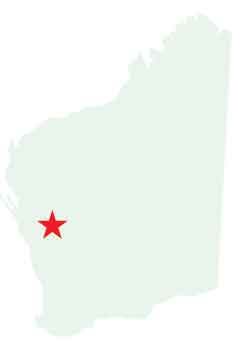
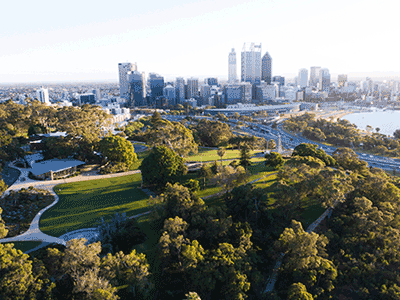
Kings Park offers spectacular views overlooking Perth City and the Swan River. It’s home to WA’s Botanic Gardens and has year-round flowering plants. Picnic facilities, walk trails, adventure playgrounds and retail outlets make this a must-see destination, even if you’re limited with time on your visit to Perth. |
 |
 |
LEEUWIN-NATURALISTE NATIONAL PARK
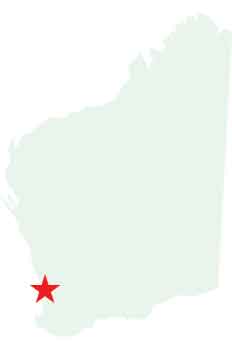
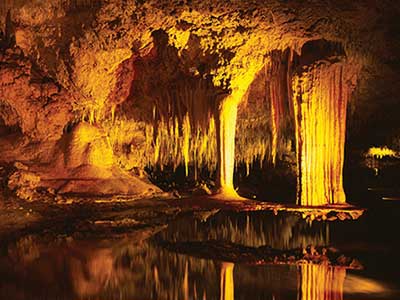
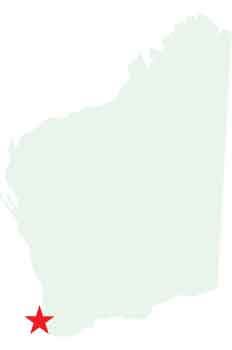
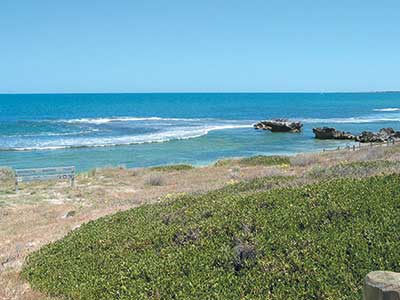
Extending from Cape Naturaliste to Cape Leeuwin, the ridge beneath this park is riddled with limestone caves, some of which are open to the public for viewing. The coast offers a variety of conditions from sheltered beaches where the waters are calm enough for swimming and beach fishing, to the world-class surf breaks around Margaret River, to rocky shores with violent ocean swells. |
 |
 |
MARMION MARINE PARK
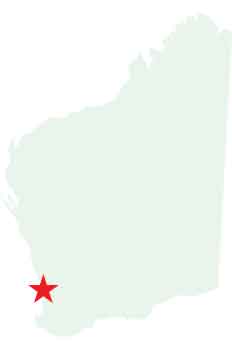
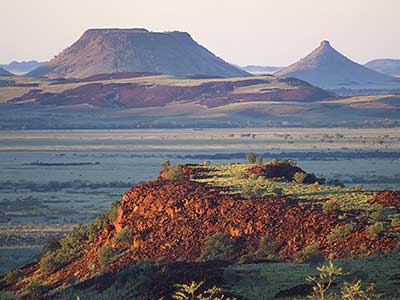
Just offshore from the northern suburbs of Perth, sea birds, sea lions and other marine wildlife inhabit the lagoons, reefs and small islands of the park. The area is popular for water-based activities such as wind surfing, scuba diving, kite surfing, boating and whale watching (in season). |
 |
 |
MILLSTREAM CHICHESTER NATIONAL PARK
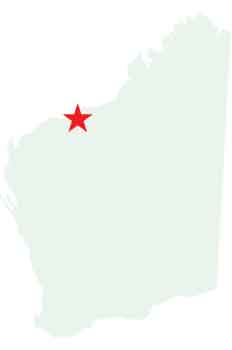
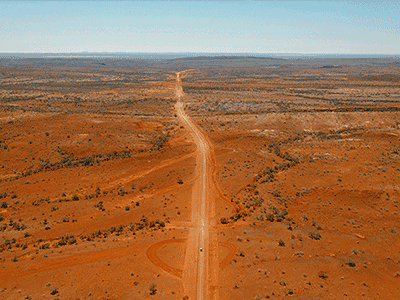
150km south east of Karratha, the Chichester Range has rocky peaks, tranquil gorges and hidden rock pools. Chinderwarriner Pool, a fresh water spring at Millstream that is fed by the Fortescue River, is an important place for Yinjibarndi people, the traditional owners of the area. There are camping and picnicking facilities and areas where swimming, fishing, rowing and canoeing are permitted. There are a number of well-established walk trails of varying lengths and degrees of difficulty and park rangers can advise on current conditions. |
 |
 |
MONTEBELLO ISLANDS MARINE PARK
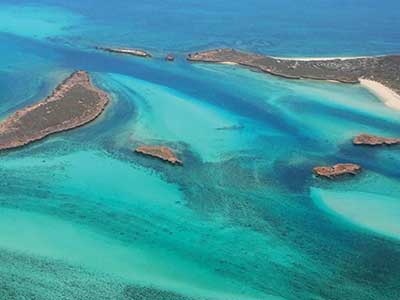
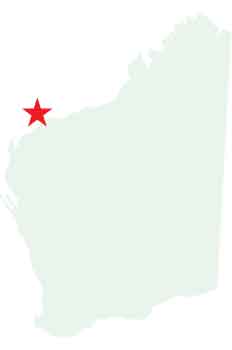
Amazing diving and fishing experiences at Montebello Islands Marine Park make it worth the visit. There are over 200 low-lying limestone islands approximately 120km offshore from Karratha, many with fringing coral reefs and beautiful sandy beaches to enjoy. |
 |
 |
MOUNT AUGUSTUS NATIONAL PARK
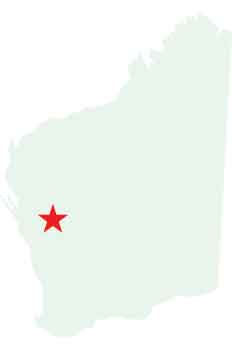
Mount Augustus is the largest monolith in the world, visible from a distance of more than 160km. The 49km Loop Drive around Mount Augustus allows visitors to access rocky creeks and gorges, open plains, view fascinating Indigenous rock art in the caves at the base and encounter a variety of wildlife. There are classified walk trails within the park including a climb to the summit which takes 5 to 8 hours and requires a high level of fitness. |
 |
 |
NAMBUNG NATIONAL PARK
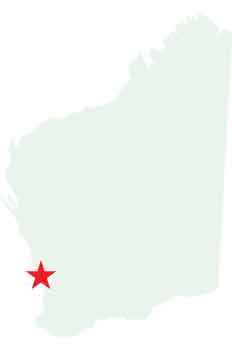
Visit the unique Pinnacles Desert in Nambung National Park near Cervantes. The thousands of limestone pillars emerging from the sand dunes have to be seen to be believed. |
 |
 |
NINGALOO MARINE PARK
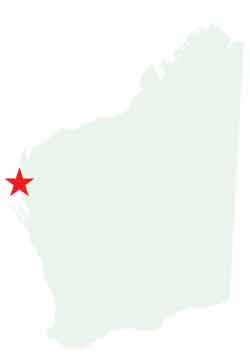
Australia's largest fringing reef is a haven for water lovers. Just metres from the shore in some places, it is possible to enjoy snorkelling and diving just off the beach. Expect to be standing just knee-deep in water with brightly coloured fish milling around your feet. Between April and July, swim with the world’s largest fish – the majestic whale shark. The reef extends 260km in length, along the North West Cape. |
 |
 |
PORONGURUP NATIONAL PARK
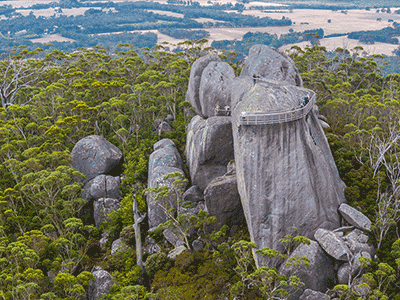
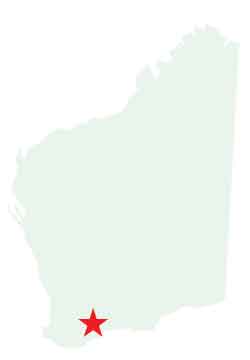
The Porongurups are an ancient levelled mountain range with several granite peaks above 600m, the highest being Devils Slide at 670m. The many unusual rock formations make the range a fascinating place with footpaths and trails throughout the area. Climb the Granite Skywalk, suspended from Castle Rock, for spectacular views from the two lookouts. More than 750 native species of plants can be found in the area. |
 |
 |
PURNULULU NATIONAL PARK
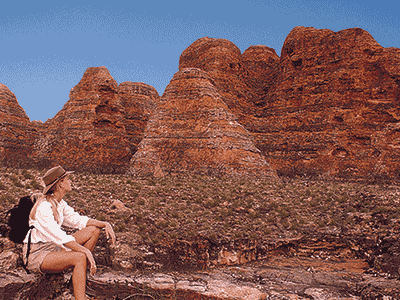
Home to the iconic Bungle Bungle Range and steeped in thousands of years of Indigenous history, Purnululu National Park is 3,000 square kilometres of breathtaking beauty. One of Australia’s last true wilderness areas, Purnululu is known not only for its distinctive sandstone and rock towers, but also for gorges and chasms, beautiful waterfalls and ancient Aboriginal art, including cave paintings that have survived for thousands of years. |
 |
 |
ROWLEY SHOALS MARINE PARK
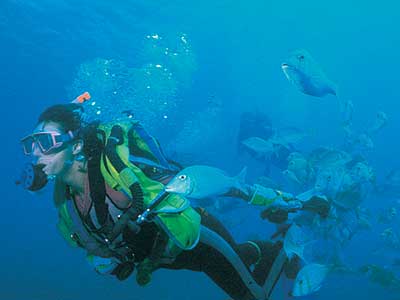
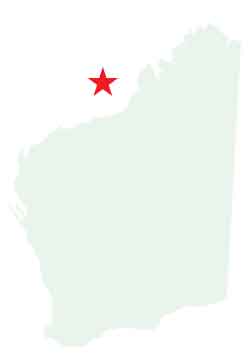
This dedicated conservation park complete with coral gardens and abundant marine life lies 260km north west of Broome in the Indian Ocean. Charter operators can take you there for suberb diving and snorkelling experiences and fishing is allowed in appropriate areas. |
 |
 |
SHARK BAY WORLD HERITAGE AREA
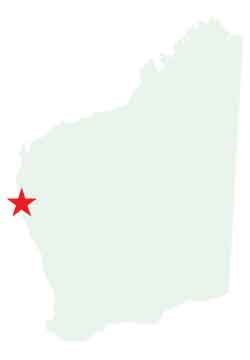
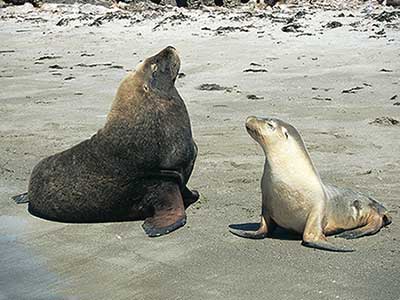
Shark Bay has countless bays and islands contained within the peninsulas creating an amazing sheltered environment for marine life. On any given day visitors are likely to see turtles, dugongs, manta rays and countless fish, just below the surface of the water. The area is perhaps most famous for its colony of wild bottlenose dolphins who swim to shore daily. |
 |
 |
SHOALWATER ISLANDS MARINE PARK
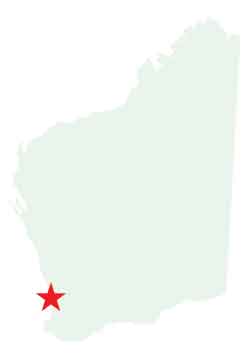
This park, just 50km south of Perth, is home to several small islands including Penguin Island. The marine life in the area is diverse and visitors have the opportunity to see bottlenose dolphins, penguins, seals and even migrating humpback whales. |
 |
 |
STIRLING RANGE NATIONAL PARK
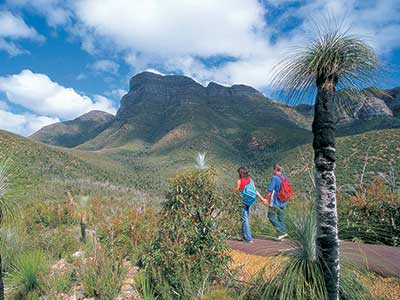
The Stirling Ranges have five peaks over 1,000 metres. It is a popular area for rock climbing and birdwatching and is home to more than 1,500 species of plants, many of which grow nowhere else in the world. Bushwalking trails are steep and uneven. Walkers should be well prepared by carrying sufficient food and water and contacting the park rangers for more information. This is one of the few places in Western Australia where snow occassionally falls. |
 |
 |
THE RECHERCHE ARCHIPELAGO
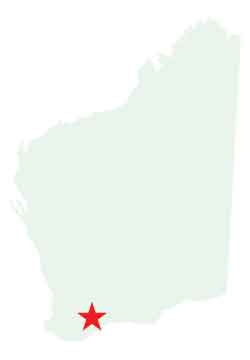
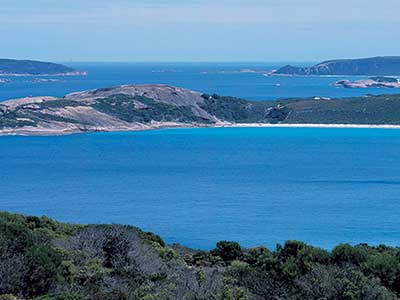
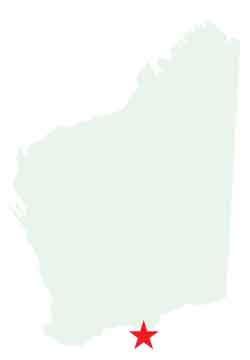
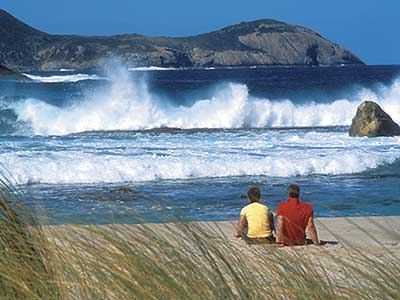
This is a group of more than 100 islands that stretch 230km from its eastern group at Israelite Bay to Esperance at its western end. The islands are mostly comprised of granite outcrops with steep faces and underwater reefs. Many of them have no beaches. The waters around the islands support a variety of marine life including scallops, seals, sea lions and dolphins. |
 |
 |
TORNDIRRUP NATIONAL PARK
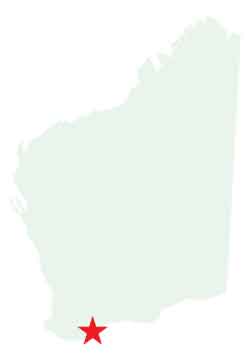
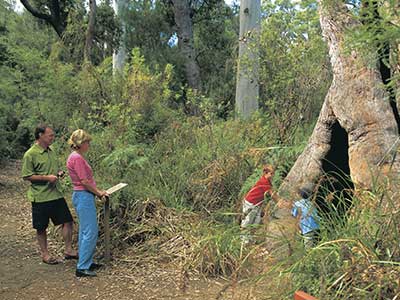
Just 10km from Albany, the Southern Ocean has sculpted massive granite outcrops into features such as Natural Bridge, The Blowholes and The Gap. Throughout the park there are boardwalks and walk trails with view points and lookouts offering stunning vistas over the coast and great photo opportunities. The Bibbulmun Track passes through parts of this park. |
 |
 |
WALPOLE-NORNALUP NATIONAL PARK
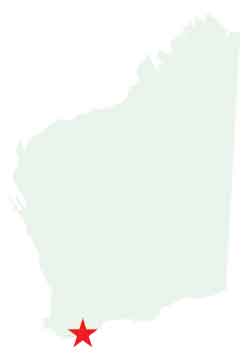
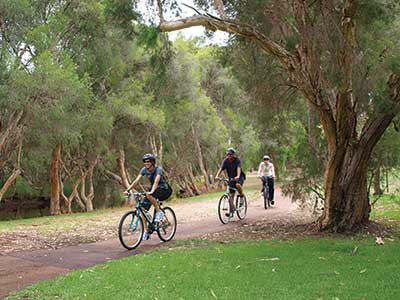
Home to jarrah, karri trees and red tingle trees that occur nowhere else on earth, this park includes sheer coastal cliffs that overlook the Southern Ocean and is an important part of the Walpole Wilderness. In the Valley of the Giants you can gently ascend 40 metres into the forest canopy on the stunning Tree Top Walk. The nearby Ancient Empire is a fascinating stand of 400 year-old red tingle trees. |
 |
 |
WHITEMAN PARK
Just 20 minutes’ drive from the heart of Perth, Whiteman Park is a huge bush reserve that’s home to Caversham Wildlife Park and lots of flora and fauna. Discover the village shops, transport museum or ride the park trains. |
 |
 |
WILLIAM BAY NATIONAL PARK
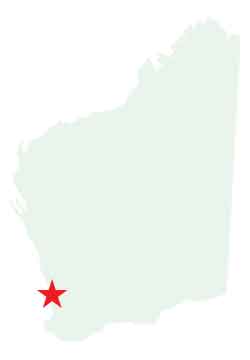
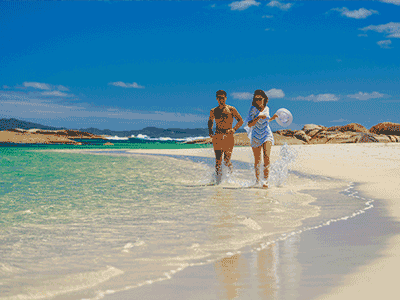
15km west of Denmark, this park is home to Green’s Pool and Elephant Rocks. You'll find pristine white sands surrounded by granite boulders where you can enjoy swimming, snorkelling and discovering the local marine life. |
 |
 |
WOLFE CREEK CRATER NATIONAL PARK
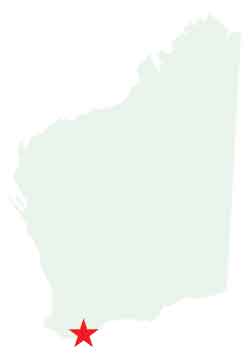
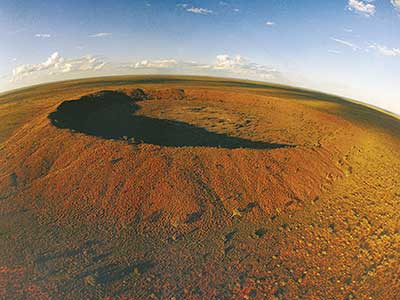
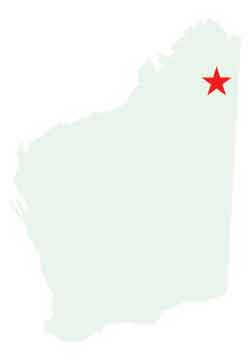
Created by a meteorite approximately 300,000 years ago, Wolfe Creek Crater is the second largest crater in the world at 880 metres across. The National Park is 145km south of Halls Creek in Australia’s North West.
|
 |
 |
YANCHEP NATIONAL PARK
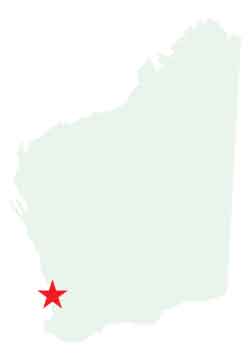
One hour north of Perth, Yanchep National Park is home home to a diverse range of flora, birds and animals as well as an array of wildflowers in season. You can stroll along the koala boardwalk to view one of Australia’s favourite native animals in a natural environment and explore Perth's only tourist cave.
|
 |